
 Example photo
Representative photo, not a retailer's exact product
This image illustrates a general type, historical example or cultural detail. The actual item, size, package and condition may differ from the photograph.
Lars Karlsson ( Keqs ) · CC BY-SA 3.0
Original image · License details
Resized and converted into WebP for this website. Full image credit.
Rubik’s Cube 3×3
Toys, Games & PuzzlesGifts & Décor
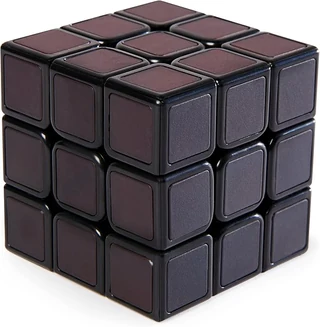
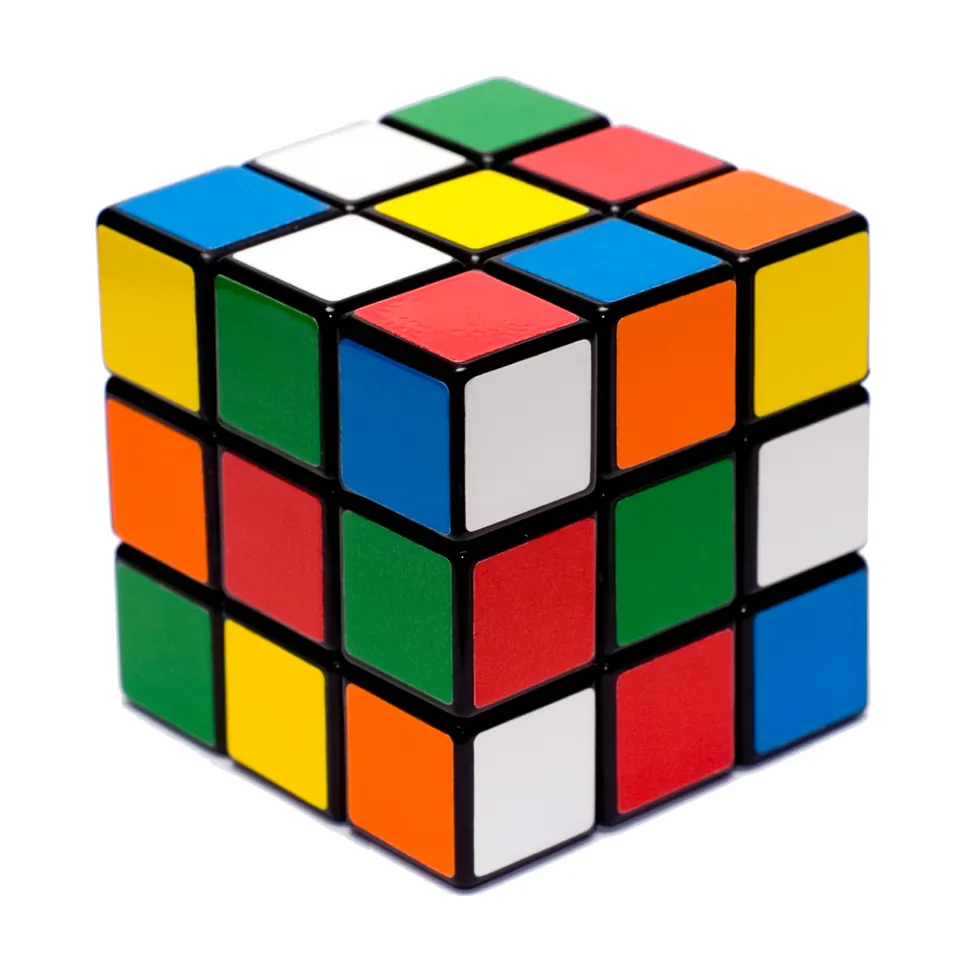
The three-layer cube is the familiar starting point for exploring Ernő Rubik’s puzzle. Its color-matching challenge fits in one hand and needs no batteries or game board.
For a first cube, look for a readable color scheme and easy turning. Competition speedcubes often offer adjustable tension or magnets, which matter more once you have learned a solving method.
Browse Toys, Games & Puzzles for related ideas. Also in Gifts & Décor.
Which Rubik’s Cube should I start with?
| Format | What changes |
|---|---|
| Classic 3×3 | Start here for the familiar six-face challenge. |
| Mini or Pocket 2×2 | Corner pieces only. It works as a small gift and still teaches how the corners move together. |
| Revenge 4×4 | You build the centers and pair edges first. Some positions require moves you never need on a 3×3. |
| Professor’s 5×5 | Adds more center and edge pieces to group. Each face has a fixed center that shows its color. |
To try a different mechanism, choose a Rubik’s Snake for shape building, a Rubik’s Clock for dial alignment, or a Rubik’s 360 for a dexterity challenge.
Source: Product or cultural reference · Rubik’s official Next Gen 3×3 comparison · Spin Master product reference for model 6063971.
Updated .
Product images and names open product details; shopping links on those pages may be paid links. Affiliate disclosure.