
The Art of Hungarian Embroidery: From Folk Traditions to Everyday Treasures
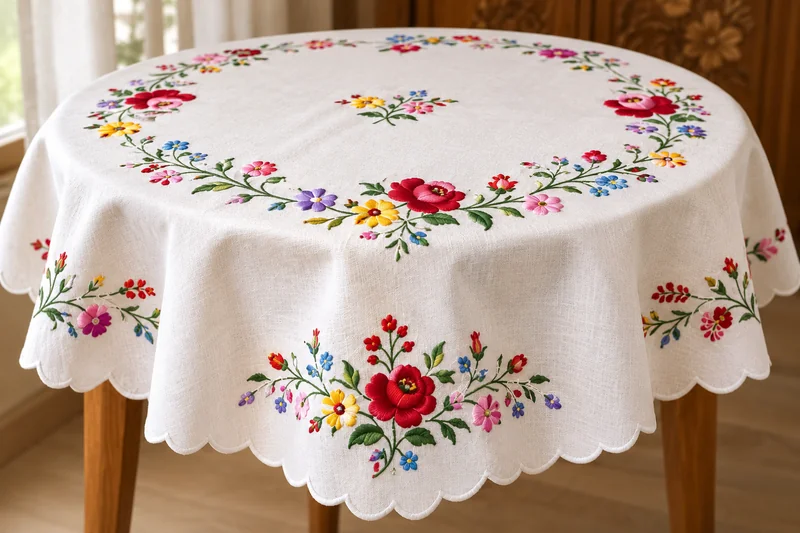
Discover the colourful floral patterns of Hungary and how centuries-old folk art continues to inspire beautiful gifts and everyday objects.
Hungarian embroidery is one of the country's most recognizable artistic traditions. With its vibrant flowers, intricate stitching and distinctive regional patterns, it has decorated traditional clothing, household textiles and ceremonial garments for generations.
But these designs are far more than decoration. They reflect the creativity, craftsmanship and cultural identity of the communities that developed them.
Today, Hungarian embroidery continues to inspire artists and designers, finding new life not only in clothing and home textiles but also in handbags, mugs, notebooks and other everyday treasures.
A Tradition Stitched Through Generations
For centuries, embroidery was an important part of everyday life in Hungarian villages. Women decorated shirts, aprons, pillowcases, tablecloths and special-occasion garments with patterns passed down through families and communities.
Different regions developed their own recognizable styles, using particular colours, stitches and floral arrangements. Some designs were delicate and restrained, while others were richly coloured and densely embroidered.
Traditional pieces often required many hours of careful handwork. Beyond their practical purpose, embroidered textiles could express regional identity, mark important occasions and become treasured family possessions.
Among Hungary's many embroidery traditions, two styles are especially celebrated: Kalocsa and Matyó.
Kalocsa Embroidery: A Garden of Colour
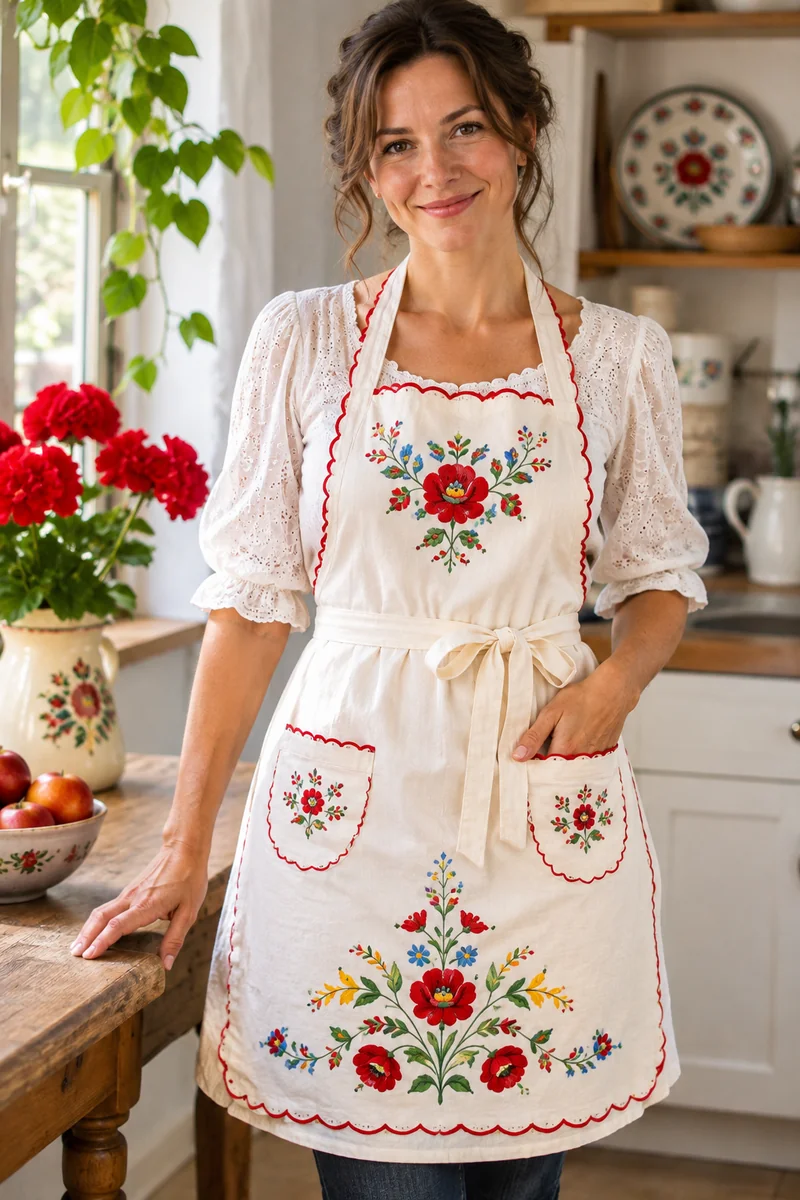
Originating in the region around the town of Kalocsa, this embroidery style is famous for its cheerful floral designs.
Roses, tulips, carnations and other blossoms appear in flowing arrangements, often featuring vivid reds, pinks, blues, yellows and greens.
Although early Kalocsa embroidery was more restrained, the colourful floral compositions familiar today developed over time, becoming an enduring symbol of Hungarian folk art.
These lively patterns are particularly well suited to contemporary objects. A simple ceramic mug decorated with Kalocsa-inspired flowers, for example, can bring a little Hungarian charm to an everyday morning ritual.
The same designs look beautiful on shopping bags, notebooks, decorative cushions and kitchen textiles.
Matyó Embroidery: Rich, Expressive and Distinctive
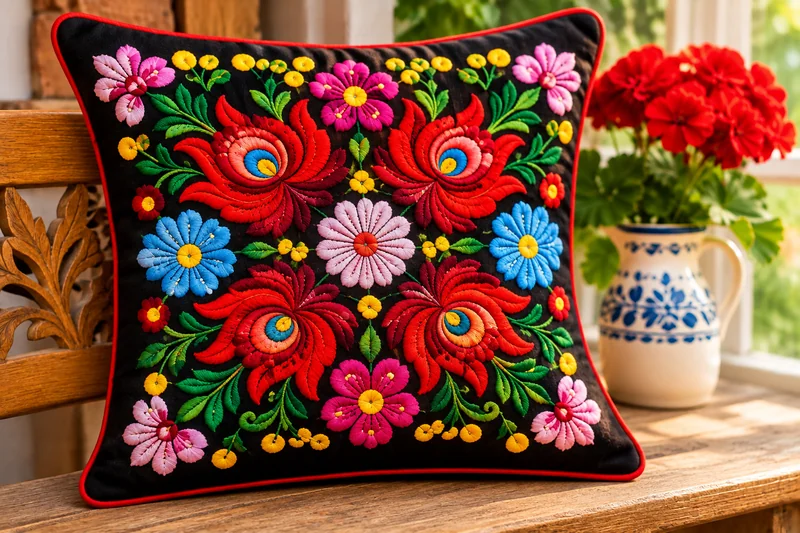
The Matyó embroidery tradition, associated particularly with Mezőkövesd and surrounding communities in northeastern Hungary, is known for its densely arranged flowers and striking colours.
One of its most recognizable motifs is the Matyó rose, often surrounded by elaborate leaves, buds and other floral elements.
Matyó designs have traditionally adorned festive clothing and decorative textiles, with particularly impressive examples appearing on richly embroidered garments.
The tradition remains culturally significant. In 2012, the folk art of the Matyó community, including its embroidery, was inscribed on UNESCO's Representative List of the Intangible Cultural Heritage of Humanity.
Today, Matyó-inspired patterns can also be found in contemporary fashion, accessories and decorative gifts.
From Traditional Textiles to Modern Design
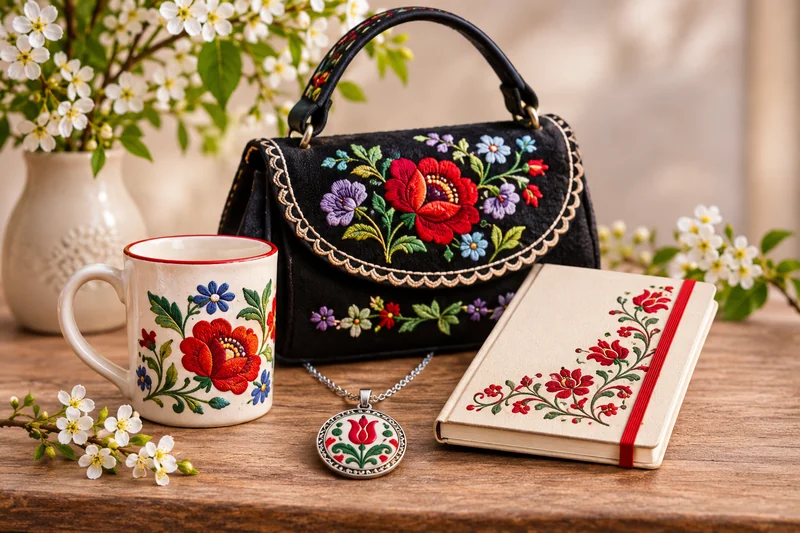
One of the most appealing things about Hungarian embroidery is how naturally its designs translate into modern life.
Traditional embroidered blouses and table linens remain beautiful expressions of craftsmanship. At the same time, designers and makers have found creative ways to incorporate Hungarian floral motifs into objects we use every day.
An embroidered handbag can add a distinctive accent to a simple outfit. A colourful tote bag makes a practical companion for shopping, books or travel. A notebook decorated with Hungarian folk patterns can be a thoughtful gift for someone who enjoys writing, sketching or journaling.
Even small items—a mug, a bookmark or a decorative ornament—can carry a connection to Hungary's artistic heritage.
Some contemporary pieces are genuinely hand-embroidered, while others feature printed or digitally reproduced patterns inspired by traditional designs. Both can be attractive, but they represent different kinds of craftsmanship, and it's worth understanding the distinction.
Hungarian-Inspired Gifts for Everyday Life
For anyone who loves Hungarian culture, floral design or distinctive handmade-inspired objects, there are many ways to bring these traditions into everyday surroundings.
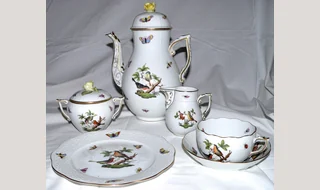
Mugs and drinkware
A mug decorated with colourful Hungarian floral motifs makes a cheerful, practical gift. Kalocsa-inspired patterns are especially popular for their bright, garden-like appearance.
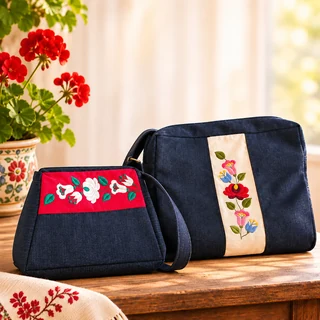
Tote bags and embroidered handbags
From reusable shopping bags printed with folk-art designs to handbags featuring actual embroidery, these accessories combine everyday usefulness with decorative character.
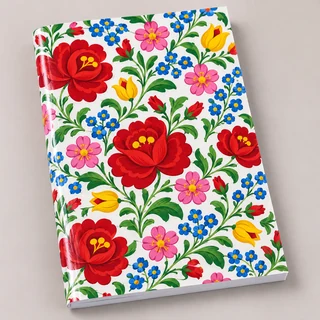
Notebooks, journals and stationery
Hungarian floral patterns lend themselves beautifully to notebook covers, journals, greeting cards and bookmarks. These make lovely small gifts for writers, students and travellers.
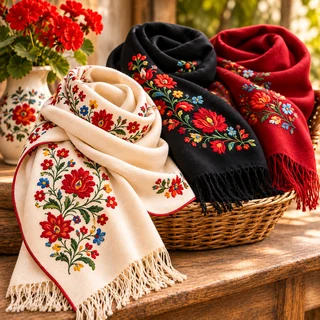
Clothing and accessories
Embroidered blouses, scarves and contemporary folk-inspired clothing offer ways to enjoy traditional motifs without wearing a full folk costume.
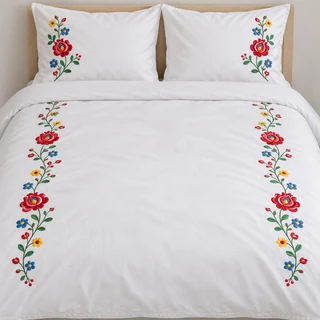
Home textiles and décor
Table runners, cushion covers, tea towels and decorative linens can introduce Hungarian folk-art patterns into a home, whether through traditional stitching or contemporary interpretations.
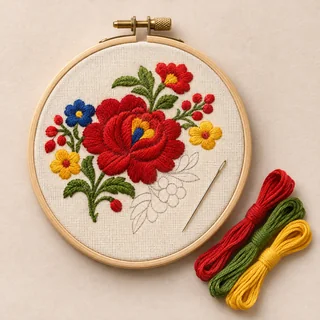
Embroidery kits and books
For those who enjoy creating things themselves, embroidery patterns, instructional books and craft kits can offer an introduction to the stitches and designs associated with Hungarian folk traditions.
Choosing a Meaningful Hungarian-Inspired Gift
A thoughtful gift doesn't have to be elaborate or expensive.
Sometimes a beautifully patterned notebook, a colourful shopping bag or a favourite mug is enough to evoke a connection to a place, a memory or a family tradition.
When choosing an item, it's worth considering how it was made. Authentic hand embroidery offers the special character of traditional needlework, while printed folk-inspired designs can make the same visual heritage accessible in more affordable, practical forms.
Neither should be confused with the other.
For people with Hungarian roots, these objects may bring back memories of family homes, treasured textiles or visits to Hungary. For others, they can be a delightful introduction to an artistic tradition they have yet to discover.
A Living Tradition
Hungarian embroidery has survived because it continues to evolve.
What began as a practical and decorative art in village households has become an internationally recognizable part of Hungary's cultural heritage.
Its flowers and patterns still appear on traditional garments and carefully stitched textiles, but they also brighten contemporary clothing, bags, ceramics and stationery.
Whether admired in a museum, worn on a blouse or enjoyed on a favourite coffee mug, Hungarian-inspired floral designs offer a colourful reminder that traditional art can remain part of everyday life.
Further Reading
For those interested in exploring the history, artistry and cultural significance of Hungarian embroidery, these resources offer additional insights:
- Europeana – The Beauty and Legacy of Hungarian Embroidery — An illustrated introduction to Hungarian embroidery, including the distinctive Matyó and Kalocsa traditions and their continuing influence.
- UNESCO – Folk Art of the Matyó, Embroidery of a Traditional Community — Learn why Matyó embroidery was recognized as part of humanity's intangible cultural heritage in 2012.
- Hungarikum Collection – Kalocsa Folk Art — Explore the history and cultural importance of Kalocsa's colourful embroidery, decorative painting and floral designs.
- American Hungarian Museum – Hungarian Embroidery — Discover the remarkable diversity of Hungarian embroidery styles through examples from different regions.