
Hungarian Beauty Traditions: From Thermal Waters to Modern Skincare
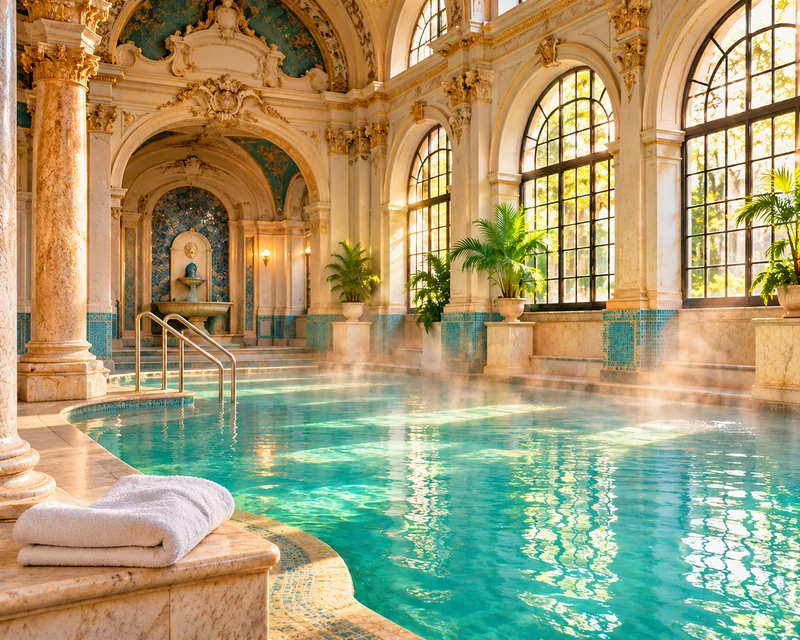
Discover how Hungary's historic bathing culture, mineral-rich thermal waters and botanical traditions have inspired a new generation of luxury skincare.
Hungary is celebrated for its magnificent architecture, colourful folk traditions and rich culinary heritage. But the country has another fascinating distinction: a centuries-old bathing culture that has helped shape its approach to beauty and wellbeing.
Beneath Budapest lies an extraordinary network of natural thermal springs. For generations, their warm, mineral-rich waters have drawn visitors seeking relaxation, renewal and a welcome escape from everyday life.
Today, this heritage continues to influence contemporary skincare, inspiring brands that combine Hungarian traditions with modern cosmetic science.
Budapest: The City of Baths
Few cities are as closely associated with thermal bathing as Budapest.
The area's bathing history stretches back approximately 2,000 years to Roman times, when the settlement of Aquincum, in present-day Budapest, had public and private baths.
Centuries later, during Ottoman rule in the 16th and 17th centuries, Turkish bathing traditions became another important part of the city's cultural landscape. Historic bathhouses such as Rudas still reflect this architectural influence.
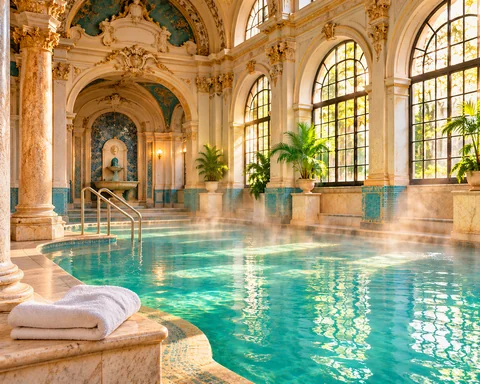
By the 19th and early 20th centuries, Budapest's spa culture had flourished, giving rise to elegant bathing establishments that combined elaborate architecture with the pleasures of thermal water.
Among the most recognizable are the grand Széchenyi Thermal Bath and the beautiful Art Nouveau Gellért Baths.
These establishments became more than places to bathe. They were social gathering spaces where people could relax, converse and enjoy a cherished part of Hungarian life.
Even today, visiting a thermal bath remains one of Budapest's most memorable cultural experiences.
What Makes Hungarian Thermal Waters Special?
Hungary's geology allows naturally heated groundwater to rise to the surface through numerous thermal springs.
As water travels through underground rock formations, it dissolves minerals that vary according to the spring's location and geological conditions.
Depending on the source, thermal waters may contain minerals such as calcium, magnesium and bicarbonates.
These waters have long been associated with bathing and wellness traditions, and their distinctive mineral compositions have also attracted interest from the skincare industry.
However, there is an important distinction between enjoying a thermal bath and applying a skincare product containing mineral-derived ingredients.
A product's effectiveness depends on its complete formulation, the concentration and availability of its ingredients, and how those ingredients interact with the skin.
Thermal water may be part of an appealing skincare formula, but its presence alone does not guarantee particular results.
Omorovicza: Budapest's Thermal Heritage in a Bottle
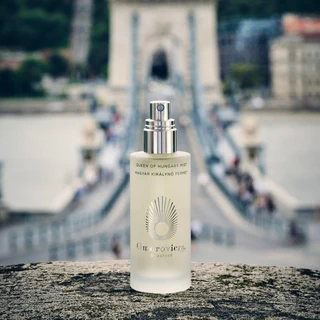
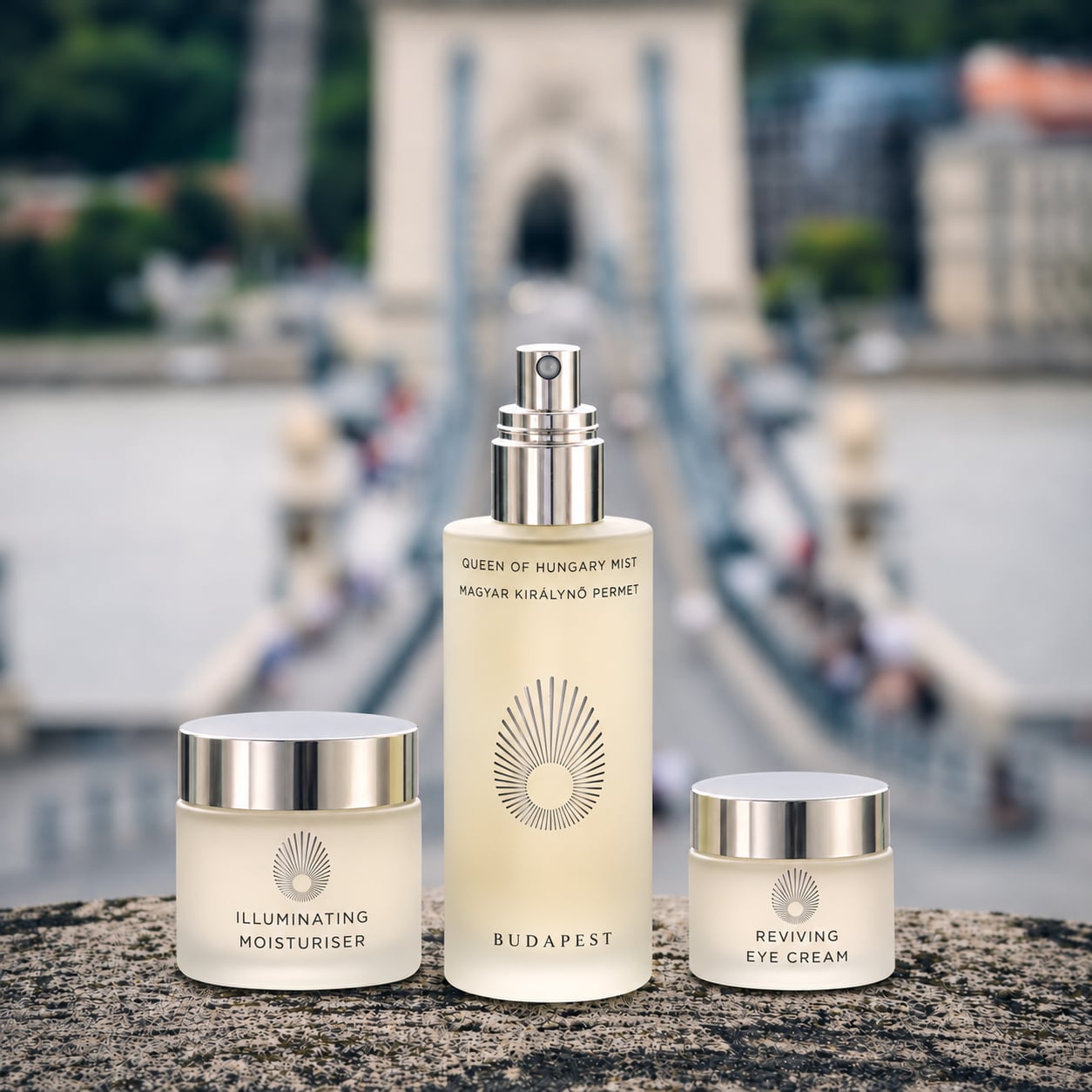
One of the best-known luxury skincare brands associated with Hungary is Omorovicza, founded in 2006 by Stephen and Margaret de Heinrich de Omorovicza.
The brand's story is closely connected to Budapest's historic bathing culture.
Stephen's family had been involved in the city's thermal bath heritage, and the couple drew inspiration from their experiences with Budapest's mineral-rich waters.
Their ambition was to translate elements of this tradition into modern skincare products that could be enjoyed beyond Hungary.
Working with scientific specialists, they developed a proprietary mineral-delivery complex called Healing Concentrate™, which became a defining feature of the brand.
Today, Omorovicza offers a range of luxury facial cleansers, moisturizers, serums, masks and other skincare products.
Its distinctive identity reflects the meeting of two worlds: the historic elegance of Budapest's bathing culture and contemporary cosmetic formulation.
For skincare enthusiasts, Omorovicza offers an interesting example of how a local cultural tradition can inspire an internationally recognized beauty brand.
Éminence Organic Skin Care: Hungarian Roots and Botanical Traditions
Another skincare company with a strong Hungarian connection is Éminence Organic Skin Care.
Its history traces back to Hungary in 1958 and the skincare traditions of the Koronczay family.
Brothers Boldijarre and Attila Koronczay later helped bring the business to North America, establishing a significant presence in Vancouver, Canada.
Unlike Omorovicza's particular emphasis on Budapest's thermal waters, Éminence is especially associated with botanical ingredients, professional skincare treatments and organic farming traditions.
The company draws inspiration from fruits, herbs and other plant-based ingredients, combining this heritage with modern cosmetic research and formulation.
Its certified organic farm near Fülöpjakab, Hungary, reflects this connection to the country's agricultural landscape.
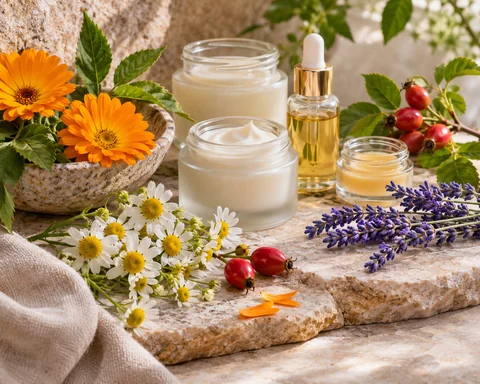
Plants cultivated there include calendula, chamomile, lavender, rosehip and other botanicals familiar to herbalists and skincare formulators.
Éminence has become internationally recognized through its professional spa products, including facial masks, moisturizers, exfoliants, serums and cleansers.
Its story illustrates a different side of Hungarian beauty heritage: a connection to gardens, traditional botanical knowledge and the careful preparation of skincare products.
From Hungarian Gardens to Modern Skincare
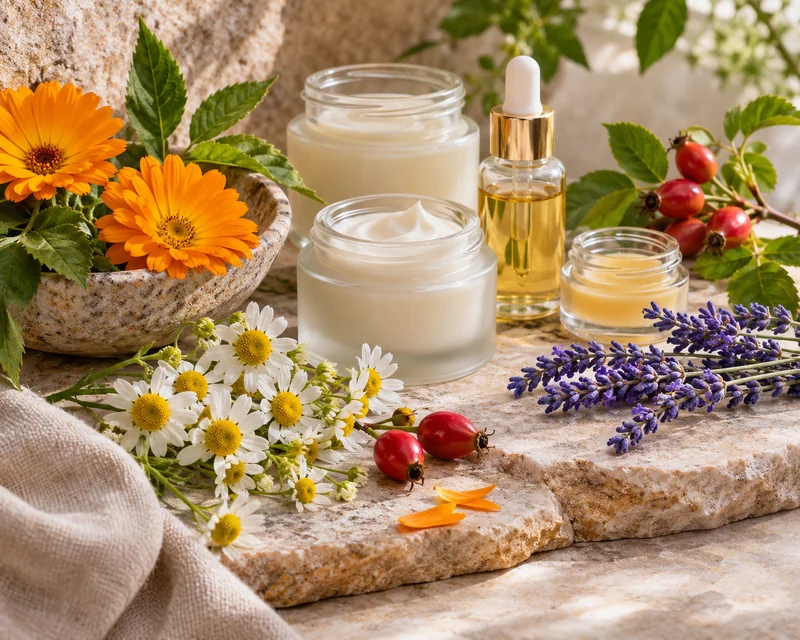
Hungary's botanical traditions offer another interesting perspective on the country's beauty culture.
Many familiar skincare plants have long been grown in European gardens and used in traditional household preparations.
Calendula, with its golden-orange flowers, is a popular botanical ingredient in creams, balms and other cosmetic products.
Chamomile is valued for its gentle fragrance and longstanding place in herbal traditions.
Lavender is widely appreciated for its distinctive scent, while rosehip and other fruit-derived ingredients are used in various contemporary skincare formulations.
Modern cosmetic science allows formulators to incorporate botanical oils, extracts and other plant-derived ingredients into sophisticated products.
Yet natural origin does not automatically mean that an ingredient is suitable for everyone. Individual skin needs, formulation quality and sensitivity all matter.
The most interesting connection between traditional botanical knowledge and contemporary skincare is not simply the use of plants, but how carefully those ingredients are selected and formulated.
Discovering Hungarian-Inspired Skincare
Hungary's beauty heritage can be explored through several different types of skincare products.
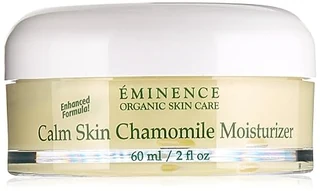
Facial moisturizers and creams
From lightweight daily moisturizers to richer creams, these products offer a practical introduction to contemporary skincare brands with Hungarian connections.
Serums and facial treatments
Specialized formulations may include hydrating ingredients, botanical extracts or other cosmetic actives designed for particular skincare needs.
Facial masks
Masks are closely associated with spa-inspired skincare rituals and can offer a relaxing addition to an established routine.
Cleansers and exfoliants
Gentle cleansing products and appropriately formulated exfoliants are another way to discover the approaches taken by different skincare brands.
Skincare gift sets
For someone who enjoys beauty and wellness, a thoughtfully selected collection of smaller products can make an appealing gift, particularly when it provides an opportunity to explore a new brand.
Whether choosing a luxury product inspired by Budapest's thermal waters or a botanical formulation with Hungarian roots, the most meaningful purchase is one that suits the recipient's preferences and skincare needs.
A Beauty Heritage That Continues to Evolve
Hungarian skincare is an interesting meeting point between history, nature and innovation.
From the Roman baths of Aquincum to the magnificent thermal establishments of Budapest, bathing has remained an important part of Hungary's cultural identity.
At the same time, botanical traditions and family histories have helped inspire modern skincare companies whose products are now enjoyed internationally.
Brands such as Omorovicza and Éminence demonstrate how Hungarian heritage can take different forms: one drawing particular inspiration from mineral-rich thermal waters, the other emphasizing botanical ingredients and organic farming.
Together, they offer a glimpse into a side of Hungary that extends far beyond its famous landmarks.
And perhaps that is what makes the country's beauty traditions so appealing: they remind us that skincare can be more than a collection of products. It can also be a connection to place, craftsmanship and cultural history.
Further Reading
For those interested in exploring Hungary's thermal bathing heritage and the stories behind its skincare traditions, these resources offer additional insights:
- European Historic Thermal Towns Association – Budapest Spas — Discover the history of Hungary's bathing culture, from Roman times through the Ottoman period to today's famous spas.
- Eötvös Loránd University – City of Baths — An introduction to Budapest's thermal springs and historic bathing establishments.
- Omorovicza – Our Story — Learn how Budapest's thermal waters and the Omorovicza family's history inspired the luxury skincare brand.
- Éminence Organic Skin Care – Our Story — Explore the company's Hungarian roots, botanical philosophy and development into an international professional skincare brand.