
A Year of Hungarian Traditions: What to Celebrate in 2027
By MagyarImport Editorial Team
From colourful winter festivals and centuries-old customs to national celebrations and cherished family traditions, discover the occasions that make the Hungarian calendar special.
Every country has its own rhythm of celebrations, and Hungary is no exception.
Some occasions bring people into the streets waving red, white and green flags. Others are marked around the family table, in village squares or through small traditions passed down through generations.
For Hungarians living abroad, these dates can be a meaningful connection to home. For those discovering Hungary for the first time, they offer a fascinating glimpse into the country's history, culture and everyday life.
Here are some of the traditions and celebrations to look forward to in 2027.
Winter: Carnival Masks and Farewell to the Cold
January 1 — Újév (New Year's Day)
Hungarian New Year traditions are filled with symbolism. Lentils are eaten for prosperity, while pork is considered lucky because, according to folklore, pigs root good fortune out of the ground. Poultry, on the other hand, is sometimes avoided because it is said to scratch good luck away.
February 4–9 — Busójárás, Mohács
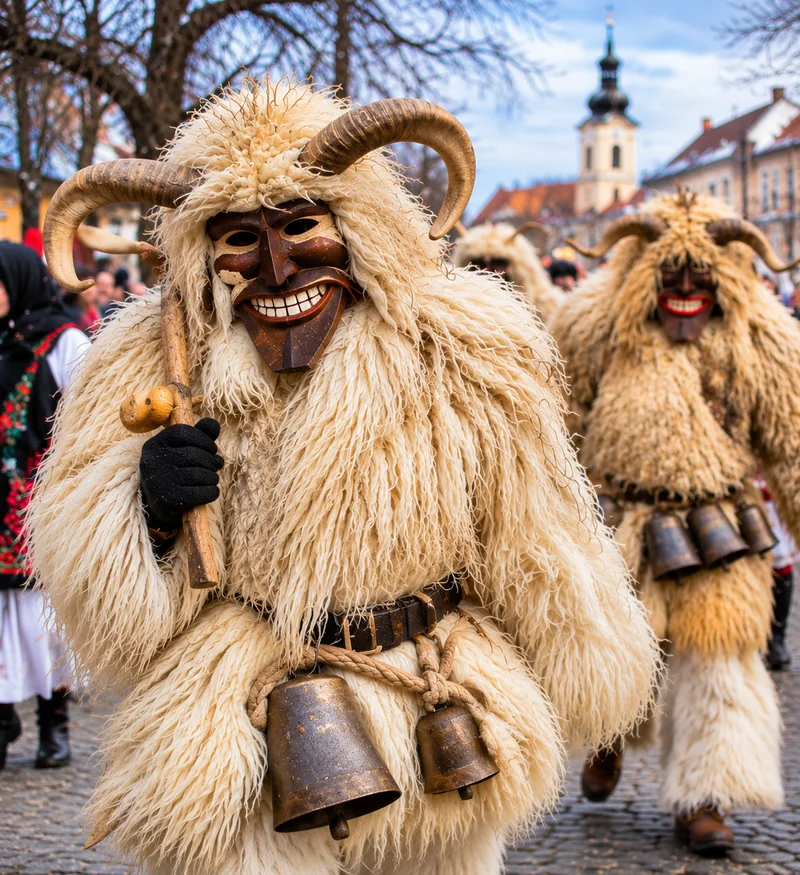
One of Hungary's most spectacular folk celebrations takes place in Mohács, where masked figures known as busók parade through the streets wearing carved wooden masks, sheepskin costumes and enormous bells.
Rooted in the traditions of the local Šokci community, Busójárás is often described as a symbolic farewell to winter. The festivities include music, dancing, processions and a great bonfire.
It's a remarkable celebration, inscribed on UNESCO's Representative List of the Intangible Cultural Heritage of Humanity.
Spring: Freedom, Renewal and Colourful Easter Customs
February 14 — Valentine's Day (Bálint-nap)
Although Valentine's Day has become increasingly popular in Hungary as a celebration of love and romance, February 14 is also traditionally associated with St. Valentine (Szent Bálint).
Hungarian folklore connects Bálint-nap with the arrival of spring, birds choosing their mates and various love-related customs.
March 15 — National Day (Nemzeti ünnep)
On March 15, Hungary commemorates the Revolution of 1848 and the struggle for national independence.
The red, white and green kokárda (cockade) is worn proudly on coats, while ceremonies and historical commemorations take place throughout the country.
March 28–29 — Húsvét (Easter)
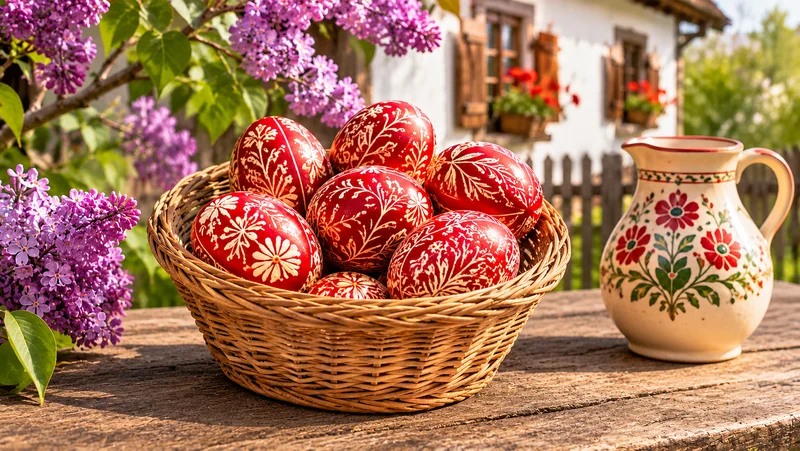
Hungarian Easter combines Christian celebrations with colourful folk traditions.
One of the most distinctive is locsolkodás, traditionally observed on Easter Monday. Boys and men visit girls and women, recite playful poems and sprinkle them with water or perfume. In return, they may receive decorated eggs, sweets or refreshments.
The custom is connected to springtime renewal and fertility symbolism, and although it has changed over time, many families continue to enjoy it.
May 1 — A munka ünnepe (Labour Day)
May 1 is a public holiday in Hungary, traditionally associated with workers' rights and the celebration of spring. Beyond its historical connection to the labour movement, the day is also known for majális — outdoor gatherings, festivals, music and family activities. In some communities, the tradition of raising a decorated májusfa (May tree) adds another colourful element to the occasion.
May 16–17 — Pünkösd (Pentecost)
Pentecost has long been associated with village celebrations and folk customs. One tradition, pünkösdi királyválasztás, involved choosing a Pentecost king through competitions of skill or strength.
Summer: Celebrating Hungary's Beginnings
June 4 — National Unity Day (Trianon)
June 4 commemorates the signing of the Treaty of Trianon in 1920, which redrew Hungary's borders following the First World War.
The treaty had profound consequences for Hungary, including the loss of large territories and the separation of many ethnic Hungarian communities from the country.
In 2010, Hungary designated June 4 as the Day of National Unity (Nemzeti Összetartozás Napja), emphasizing the cultural and historical connections among Hungarians living within and beyond Hungary's borders.
This is a significant date in Hungarian history and particularly meaningful for Hungarian communities abroad.
August 20 — Szent István napja (St. Stephen's Day)

August 20 is one of Hungary's most important national holidays, commemorating King Stephen I and the founding of the Hungarian state.
The day is traditionally celebrated with ceremonies, concerts, festivals and spectacular fireworks in Budapest.
It is also associated with the Festival of the New Bread, celebrating the wheat harvest and the importance of bread in Hungarian life.
Autumn: Harvests, Remembrance and St. Martin's Goose
September–October — Szüret (Grape Harvest Season)
Autumn brings grape harvest celebrations to Hungary's wine-growing regions.
Traditional harvest festivals may feature music, folk dancing, decorated processions and opportunities to taste regional wines. From Tokaj to Villány, the season reflects Hungary's long winemaking heritage.
October 23 — National Day
Hungary remembers the Revolution of 1956, when an uprising against Soviet domination became a defining moment in the country's modern history.
Commemorations honour those who fought for freedom and those who lost their lives.
November 1 — Mindenszentek (All Saints' Day)
Families visit cemeteries to remember loved ones, decorating graves with flowers and lighting candles. As evening falls, cemeteries across Hungary glow with thousands of small lights.
November 11 — Márton-nap (St. Martin's Day)
An old Hungarian saying declares that anyone who doesn't eat goose on St. Martin's Day may go hungry throughout the following year!
The occasion is traditionally associated with roast goose, new wine and the end of the agricultural season.
December: Little Boots, Christmas Sweets and Family Traditions
December 6 — Mikulás (St. Nicholas Day)
Hungarian children traditionally polish their boots on December 5 and leave them by the window, hoping Mikulás will fill them overnight with chocolate, mandarins and little surprises.
This beloved tradition is quite different from the North American Santa Claus celebration.
Read our story: Mikulás Is Coming! The Hungarian Tradition of St. Nicholas Day.
December 13 — Luca napja (St. Lucy's Day)
Luca Day is surrounded by fascinating folk beliefs.
One particularly unusual tradition involved making a Luca széke (Lucy's chair), a small wooden stool constructed gradually between December 13 and Christmas Eve. According to folklore, standing on it during midnight Mass could reveal witches hidden among the congregation.
Other customs involved predicting the weather, marriage prospects and the coming year's harvest.
December 24–26 — Karácsony (Christmas)
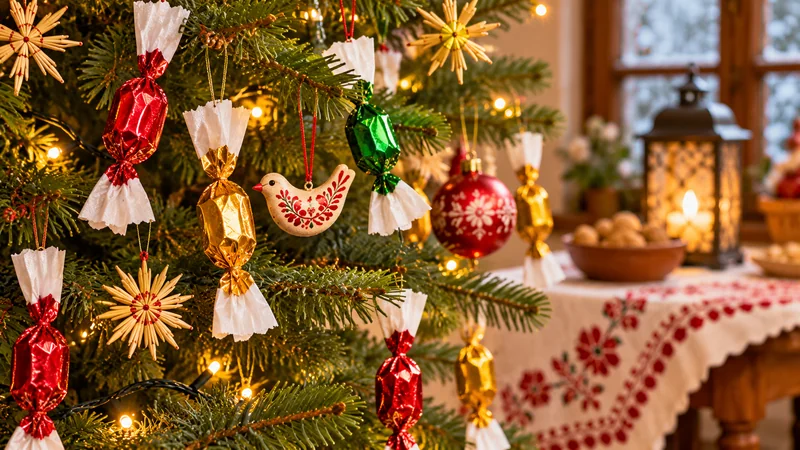
Christmas in Hungary is rich with family traditions.
On Christmas Eve, Jézuska (the Christ Child) traditionally brings gifts, while decorated Christmas trees often feature szaloncukor, the distinctive foil-wrapped sweets that have become a beloved symbol of Hungarian Christmas.
And, of course, there's the familiar temptation to eat the chocolates while leaving their empty wrappers hanging on the tree!
December 31 — Szilveszter (New Year's Eve)
The Hungarian year ends with celebrations, fireworks, parties and traditional foods, before the cycle of customs and celebrations begins again.
Keeping Traditions Alive
Hungary's calendar is more than a collection of holidays. It reflects centuries of history, regional customs, religious observances and family memories.
Some traditions have changed considerably, while others remain surprisingly familiar.
Whether celebrated in a Hungarian village, a Budapest apartment or a home thousands of kilometres away, these occasions continue to connect generations with their cultural heritage.
Further Reading
- Hungarian public holidays and observances for 2027 — Time and Date
- Busójárás 2027 — Hello Hungary (Hungarian)
- Busó festivities at Mohács — UNESCO Intangible Cultural Heritage
- Visit Hungary — Hungarian culture, festivals and destinations
Magyar Import — Hungarian Heritage • Creativity • Discovery